
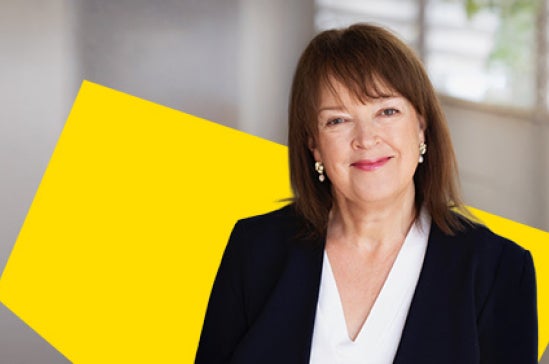
Your guide to a career in counselling in Australia from Dr Jane Mowll, UNSW Online Master of Counselling Program Director.
Are you thinking about a career change and curious about counselling? While many counsellors begin their journey in health, education or community services, counselling is increasingly attracting people from non-related backgrounds – including corporate roles, business, law, the arts, hospitality and other people-facing professions.
With growing awareness of mental health and wellbeing across Australia, the demand for counselling support continues to rise. Workforce shortages are projected to reach 60% by 2030, meaning a career in counselling offers strong and sustained employment opportunities. Counselling offers meaningful, flexible career pathways – but it also requires self-reflection and an understanding of the role.
This guide explores what counsellors do, how counselling differs from psychology, common study pathways in Australia and how to decide whether counselling aligns with your skills, values and lifestyle.
What do counsellors do?
Counsellors support people through emotional, behavioural and life challenges. Their work centres on:
- Active listening and therapeutic communication
- Building safe, professional relationships
- Applying evidence-informed counselling frameworks
- Practising ethically and within professional boundaries
Counsellors work with clients experiencing diverse issues for example, stress, grief, trauma, relationship breakdowns, life transitions or mental health concerns. Rather than diagnosing conditions, counsellors help clients explore their experiences, help build relational connections, strengthen coping strategies and improve wellbeing.
Work settings are diverse and include schools, community organisations, workplaces, private practice, NGOs and health services. The role is deeply relational and engaging, requiring empathy, curiosity, cultural awareness and reflective practice. While counselling can be personally rewarding, it also calls for resilience and strong self-care skills, which can be developed during your training.
Counselling and psychology: How are they different?
Counsellors and psychologists both support mental wellbeing, but their training and scope of practice may differ. Psychologists and Clinical psychologists complete psychology-specific undergraduate study, followed by postgraduate qualifications and supervised practice. They are trained to assess, diagnose and treat mental health conditions.
Counsellors focus on therapeutic support rather than diagnosis. They are trained in counselling theories and approaches that help clients navigate crises, relationships, psychosocial wellbeing, crisis and personal growth. Counsellors typically complete postgraduate counselling qualifications, such as a Graduate Diploma or Master of Counselling, which are accredited with the Australian Counselling Association (ACA) or Psychotherapy and Counselling Federation of Australia (PACFA)
Neither role is better than the other – the right choice depends on the type of work you want to do and the depth of clinical responsibility you’re seeking.
Is counselling the same as therapy?
Therapist is a broad, nonregulated term often used interchangeably with counsellor. In Australia, counsellors and psychotherapists share similar foundations but may follow distinct training and professional standards. Accredited counsellors are qualified to support a wide range of client issues through structured therapeutic practices. Whether you are called a counsellor or therapist, the role involves meaningful, client-centred work that makes a tangible difference.
Who is counselling suited to?
Counselling suits people who are genuinely interested in understanding and supporting others. Important qualities include:
- Empathy and emotional intelligence
- Strong listening and communication skills
- Self-awareness and reflective capacity
- Comfort with uncertainty and complexity
Health professionals, social workers, educators and experienced support workers are just some of the people who might be well suited to extending or deepening their counselling skills and knowledge and moving into counsellor specific roles. You don’t necessarily need a background in social work, psychology or health to succeed. People transitioning from business, management, customer service, the creative industries or corporate roles also bring valuable skills – such as communication, problem solving, leadership and emotional insight.
Equally important is understanding your motivation. Counselling is deeply rewarding, but it is also a highly skilled helping role. It involves holding space for difficult experiences and stories, maintaining boundaries and managing emotional demands. You can further develop these capabilities through supported training such as a Graduate Diploma or Accredited Master of Counselling.
How do you start a career in counselling?
In Australia, a Graduate Diploma in Counselling is the minimum recommended qualification for entry into professional practice. Master’s degrees are required for advanced roles, private practice and higher levels of professional membership such as with the Australian Counselling Association (ACA).
All recognised programs include supervised placements – of around 100 to 200 hours – allowing students to develop real-world counselling skills with structured support.
Flexible and online study options make counselling accessible for those balancing work, family or career change.
Counselling study options with UNSW
UNSW Online with the School of Social Sciences offers a structured and supportive pathway into counselling, designed for working professionals and career changers. Our programs combine academic rigour with practical learning, allowing students to build capability while balancing existing commitments.
Students engage in self-paced online learning modules with world leading library and literature resources as well as live online classes led by experienced counselling academics and practitioners, creating opportunities for real‑time discussion, skills development and peer learning. The programs also include one course with an in-person four-day residential component at UNSW (Kensington, Sydney) providing an immersive, face-to-face learning experience that strengthens practical skills, self-reflection and professional identity.
All counselling programs include supported counselling placements, in agencies arranged and located as close as possible to your home. Students are guided through the placement process to ensure their practice and learning environments are accessible, appropriate and aligned with course requirements.
Entry qualifications: Graduate certificate and graduate diploma
The Graduate Certificate and Graduate Diploma in Counselling introduce foundational counselling theories, ethical practice and applied skills. These qualifications are well suited to professionals transitioning into counselling, including those from non-related study fields or individuals seeking to develop counselling-focused capabilities.
The graduate certificate and diploma are ideal for career changers or those wanting to explore counselling before committing to a master’s degree.
- Graduate Certificate in Counselling: A short, practical introduction focused on foundational skills, counselling frameworks and ethics.
- The Graduate Diploma in Counselling provides greater practice readiness and may support entry into the counselling profession and eligibility for ACA Level 1 membership.
These programs are particularly useful for professionals from non-related study fields who want structured exposure to counselling work.
Advanced qualification: Master of Counselling
The UNSW Master of Counselling provides advanced training in therapeutic frameworks, integrated and applied skills and theory, clinical assessment and ethical practice. It includes extensive placements and prepares graduates for private practice and advanced counselling roles.
Students develop further expertise in areas such as working with trauma or crisis, applying research knowledge, specialised electives and development of your own integrated counselling practice framework. Graduates may be eligible for ACA Level 2 membership and broader career opportunities across community health, education and private practice.
Do you need a master’s degree?
Not everyone does. Entry level roles can be accessed with a graduate diploma, particularly in community or support settings.
A master’s degree is valuable if you want to:
- Develop or work in private practice
- Develop advanced clinical and supervision skills
- Engage in counselling roles in health or NGO organisations
- Expand long-term career and leadership prospects
Your choice should reflect your career goals, preferred client group and desired scope of practice. Importantly, you can either enrol straight into a Master of Counselling or start with the graduate certificate with the option of articulating into the graduate diploma and/or master programs.
Getting support to decide
If you’re unsure whether counselling is right for you, professional guidance can help. Speaking with course advisors or engaging in career counselling can clarify your motivations, strengths and study options.
UNSW Online Student Advisors can help you understand pathways, entry requirements and how counselling study fits alongside your existing experience – especially if you want to explore your study options or you’re transitioning from a non-traditional background.
Next steps
Counselling is a meaningful, challenging and people-centred profession. It attracts individuals from all stages of life and from a wide range of professional backgrounds. There is no single right path into the field. However, with strong demand, flexible study options and multiple entry points provided by the UNSW Online counselling programs, now is an ideal time to explore whether counselling aligns with your goals and values. Starting with a graduate qualification or speaking with a Student Advisor can be a practical first step toward a rewarding career.
Categories